
The operating system for secure AI
WatchTower is the enterprise-grade runtime security and governance layer for every AI model, agent, MCP server, and LLM — trusted by enterprise, government, defense, and critical infrastructure.
Built for teams shipping AI agents to production
Traditional security isn't built for autonomy
As agents begin to act independently — chaining tools, calling APIs, writing to production systems — they introduce risks that static firewalls and SIEMs can't detect. The surface area for failure has expanded overnight.
Unauthorized Data Exfiltration
Agents accessing internal HR or customer data without explicit permission tokens.
Prompt Injection Overrides
User input tricking the LLM into bypassing enterprise safety protocols.
Hallucinated Tool Calls
Agents invoking APIs that don't exist — or worse, calling the wrong production endpoint.
Six integrated modules. One control plane.
Every module operates independently and shares one identity, policy, telemetry, and evidence fabric.
Discover every model, agent, MCP server & LLM
Continuous discovery of every AI system across clouds, clusters, SaaS, and endpoints — with owner, environment, risk tier, and lineage.
- Auto-discovery across AWS, Azure, GCP, on-prem
- Model, agent, MCP, and dataset lineage
- Owner + risk tier tagging
- Shadow AI detection
Real-time risk scoring & policy posture
One board-ready view: live risk scores, policy violations, model inventory, and compliance posture across every business unit.
- Live agent risk scoring
- Policy violation heatmap
- Model & vendor register
- Compliance posture by framework
Enforce policy in the agent's action path
Sub-second detection and blocking for prompt injection, data loss, hallucinated actions, and over-privileged tool calls.
- Prompt injection detection
- Data loss prevention
- Tool permission enforcement
- Hallucinated action detection
- Autonomous behavior analytics
Continuous evidence for every framework
SOC 2, ISO 27001, HIPAA, NIST AI RMF, NIST CSF, and FedRAMP-ready reporting produced from live runtime telemetry — not screenshots.
- Immutable, signed audit logs
- Automatic evidence collection
- Framework-mapped controls
- Auditor-ready export
Human approvals, kill switch & guardrails
Policy-as-code, RBAC, human-in-the-loop review queues, model lifecycle management, and a global kill switch for every autonomous system.
- Policy-as-code (git-backed)
- Human approval queues
- Enterprise RBAC + SSO
- Model lifecycle & retirement
- Global kill switch
Executive visibility & anomaly detection
Trend analysis, incident timelines, and anomaly detection built for CISOs, CIOs, and boards accountable for AI risk.
- Executive risk dashboards
- Incident timelines & MTTR
- Anomaly & drift detection
- Trend + benchmarking
Core capabilities
One integrated control plane for monitoring, governing, and securing every AI agent operating across your organization.
Full Visibility
Every API call, database query, and reasoning step is logged and inspected in real-time.
Policy Enforcement
Define granular RBAC and compliance rules that govern what your agents can and cannot do.
Threat Detection
Advanced heuristics identify malicious patterns and prompt injection before execution.
Hallucination Guard
Cross-check outputs against ground-truth datasets before they trigger external calls.
Audit & Compliance
Immutable trails ready for SOC2, HIPAA, GDPR and ISO 27001 audits — zero extra work.
API Monitoring
Real-time analytics on every outbound call, including latency, cost, and risk scoring.
Author guardrails in minutes, not sprints
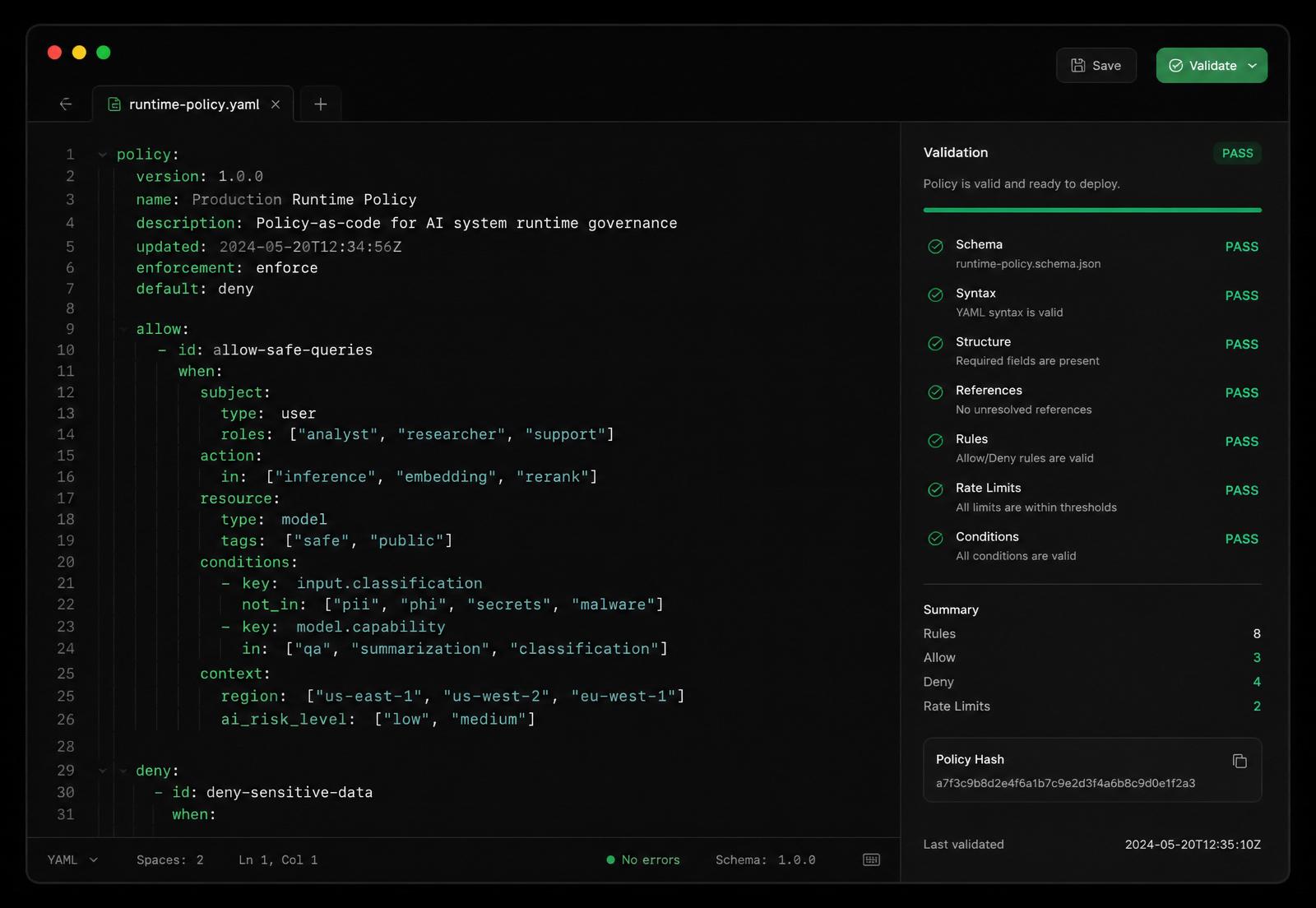
Describe what your agents are allowed to do — and what they aren't — in plain English or declarative YAML. WatchTower compiles policies into runtime guards that intercept every tool call, vector query, and API request before it reaches production.
- Versioned, git-backed policy as code
- Environment-scoped rules (dev / staging / prod)
- Dry-run mode with full impact preview
- One-click rollback when something breaks
Traditional security stacks can't see autonomous AI
SIEMs collect logs after the fact. Firewalls inspect packets. EDR watches endpoints. None sit in an agent's decision path — none understand a tool call, a prompt injection, or a hallucinated action. WatchTower does.
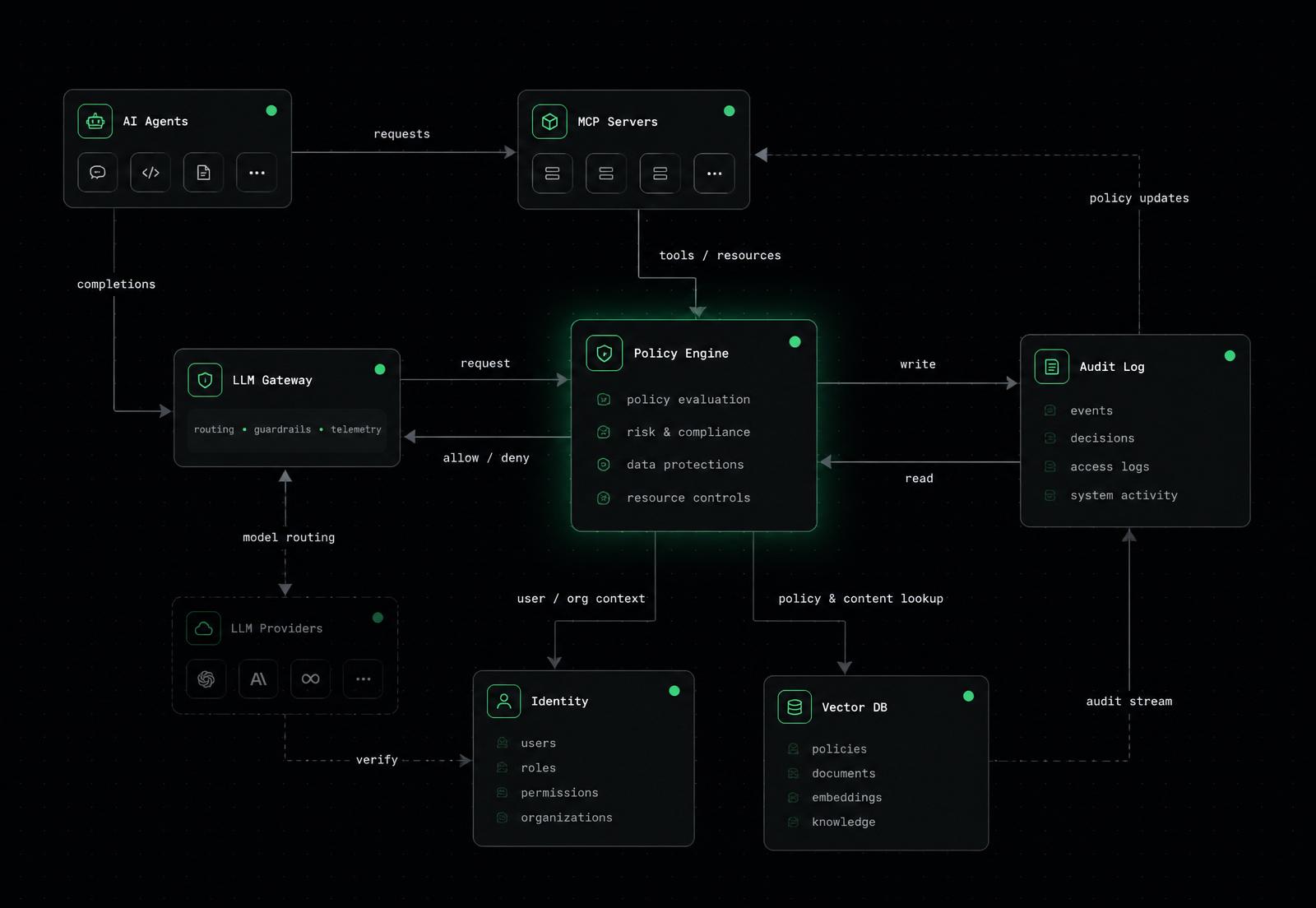
Inline with every autonomous action
WatchTower sits between your agents and everything they touch — enforcing policy in flight, streaming evidence to the systems your security, compliance, and platform teams already run.
Built for regulated, high-stakes deployments
Govern every AI agent, model, and MCP server across the business
Unified inventory, identity, policy, and runtime enforcement across every business unit and cloud.
Runtime AI governance aligned to federal AI oversight guidance
Private cloud and on-prem deployment, immutable audit logs, SAML/Entra ID, and NIST AI RMF alignment.
Mission-grade control over autonomous AI systems
Air-gapped operation, CMMC-aligned evidence, hardware-rooted identity for every agent and tool.
HIPAA-grade audit trails for clinical AI assistants
Every prompt, response, and tool call captured in immutable storage — ready for OCR audit.
Customer-facing copilots that never touch PII without consent
SOX-ready evidence, data-class-aware retrieval, and model risk management for every deployment.
Copilots for engineering, ops, and quality — without IP leakage
DLP on every prompt, tenant-scoped retrieval, and audit trails aligned to ISO 27001 and IEC 62443.
Protect OT-adjacent AI from prompt injection and drift
Segment agent capabilities from operational networks; enforce human-in-the-loop for high-impact actions.
Sovereign-grade AI governance for public sector missions
Deployed inside your boundary. Aligned to federal AI oversight guidance and DoD Responsible AI principles. Built for agencies, defense contractors, and mission partners running autonomous AI in high-consequence environments.

- Private cloud & on-premises deployment
- Air-gapped and classified enclave support
- SAML, Active Directory, Microsoft Entra ID
- SIEM integration (Splunk, Sentinel, Chronicle)
- Immutable, signed audit ledger
- NIST AI RMF & NIST CSF aligned controls
- FedRAMP-ready architecture
- Hardware-rooted agent identity (HSM/TPM)
Fits the stack your enterprise already trusts
Native connectors across model providers, agent frameworks, cloud runtimes, SIEM, EDR, IdP, and observability — deploy in hours, not quarters.
Model Providers
8- OpenAI
- Azure OpenAI
- Anthropic Claude
- Google Gemini
- Amazon Bedrock
- Mistral
- Cohere
- Ollama
Agent Frameworks
8- LangChain
- LangGraph
- CrewAI
- AutoGen
- LlamaIndex
- Semantic Kernel
- MCP Servers
- OpenAI Agents SDK
Cloud & Runtime
8- AWS
- Azure
- GCP
- Kubernetes
- OpenShift
- Databricks
- Snowflake
- On-Prem / Air-Gapped
Security & Observability
8- Splunk
- Microsoft Sentinel
- CrowdStrike
- Datadog
- Okta
- Microsoft Entra ID
- Palo Alto Networks
- PagerDuty
Deploy in days. Govern at scale.
Connect
Drop in the SDK or proxy. WatchTower instruments every agent action in minutes — no model changes required.
Define Policy
Author guardrails in plain language or YAML. Map them to roles, environments, and data classifications.
Monitor & Enforce
Watch real-time activity, get notified of anomalies, and block risky behavior before it executes.
From hopeful deployment to governed autonomy
- No visibility into agent decisions
- Manual log review after incidents
- Static prompts as your only guardrail
- Compliance answered with screenshots
- Hallucinations reach production
- Real-time trace of every reasoning step
- Automated detection and instant block
- Runtime policy engine enforces every call
- Continuous evidence collection, built-in
- Outputs verified before they ship
Built for security and platform teams
Designed from day one for the teams responsible for shipping autonomous AI safely.
Built for security teams
Runtime policy enforcement, immutable audit trails, and identity-aware controls — the primitives security architects already trust, applied to autonomous AI.
Built for platform teams
Drop-in SDKs for LangChain, LangGraph, CrewAI, AutoGen, and custom stacks. Ship agents to production without rebuilding your observability stack.
Built for compliance
Evidence collection mapped to SOC 2, HIPAA, GDPR, and ISO 27001 controls. Continuous proof that every agent action stayed in policy.
Enterprise pricing. Priced to the scale of your AI estate.
Every deployment is scoped with your security, compliance, and platform teams. No self-serve tiers, no surprise overages.
Enterprise
CustomFor enterprises deploying AI across business units.
- All six platform modules
- SaaS or dedicated private cloud
- SOC 2 · ISO 27001 · HIPAA evidence
- Enterprise SSO + RBAC
- 24×7 support with named CSM
Government & Defense
ContactSovereign-grade deployment for public sector missions.
- On-prem, air-gapped, classified enclave
- SAML, AD, Microsoft Entra ID
- NIST AI RMF · CSF · FedRAMP-Ready
- Immutable audit ledger + SIEM export
- Hardware-rooted agent identity
- US-based cleared support
Critical Infrastructure
CustomFor operators of regulated, high-consequence systems.
- Segmented OT-adjacent deployment
- Human-in-the-loop enforcement
- Sector-specific control mappings
- Continuous compliance reporting
- Incident response retainer

Deploy AI at the speed your business demands — without giving up control.
See WatchTower running on your stack in a 30-minute walkthrough. No sales theatre.
Two doors. One mission.
Whether you're deploying autonomous agents in production or backing the companies that secure them — start the conversation here.
Prefer email? Reach us directly at info@watchtoweragents.com
See your agents under the microscope
Book a 30-minute walkthrough. We'll instrument a live agent, surface real attack surface, and show how Watchtower stops drift before it ships.
Back the layer every AI company will need
Agent governance is becoming non-negotiable. Request our deck, traction metrics, and current round details — typically shared within 24 hours.
Deep guides on the topics that matter most
Comprehensive references for security, platform, and compliance teams building enterprise AI.
AI Agent Monitoring
Real-time visibility into every agent action, tool call, and decision.
Read guideLLM Observability
Traces, evaluations, cost, and safety on every model call.
Read guidePrompt Injection Defense
Layered runtime defenses against direct and indirect injection.
Read guideAI Governance Platform
Policy-as-code, identity, and audit evidence for autonomous AI.
Read guideFrom the WatchTower research desk
Field notes on AI governance, threat research, and compliance — written by the team shipping the platform.
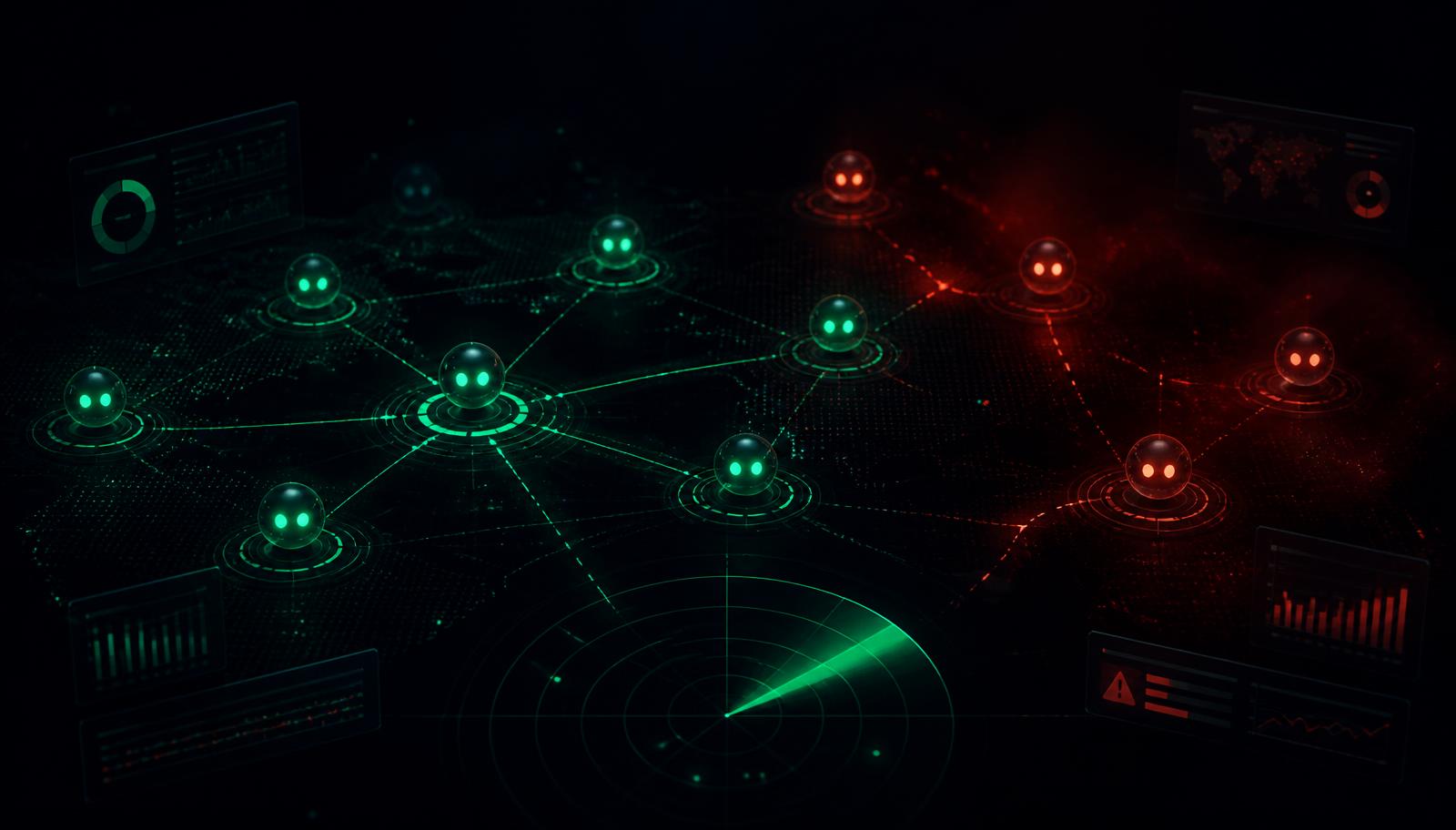
The Risks of AI Agents Without Monitoring: What Unobserved Autonomy Costs Enterprises in 2026
Unmonitored AI agents create silent, compounding risk — runaway token spend, data exfiltration, prompt injection, hallucinated actions, non-human identity sprawl, and audit gaps. A practical 2026 guide to the twelve risks of running AI agents without monitoring, the warning signs, and the observability and runtime controls that close them.

AI Agent Guardrails: The Complete Guide to Token, Cost, and Safety Controls in 2026
A practical, framework-aligned guide to AI agent guardrails in 2026 — input and output filters, token and cost caps, tool-call allow-lists, PII and secret redaction, hallucination and prompt-injection defense, human-in-the-loop gates, and audit evidence that maps to NIST AI RMF, ISO/IEC 42001, SOC 2, and the EU AI Act.
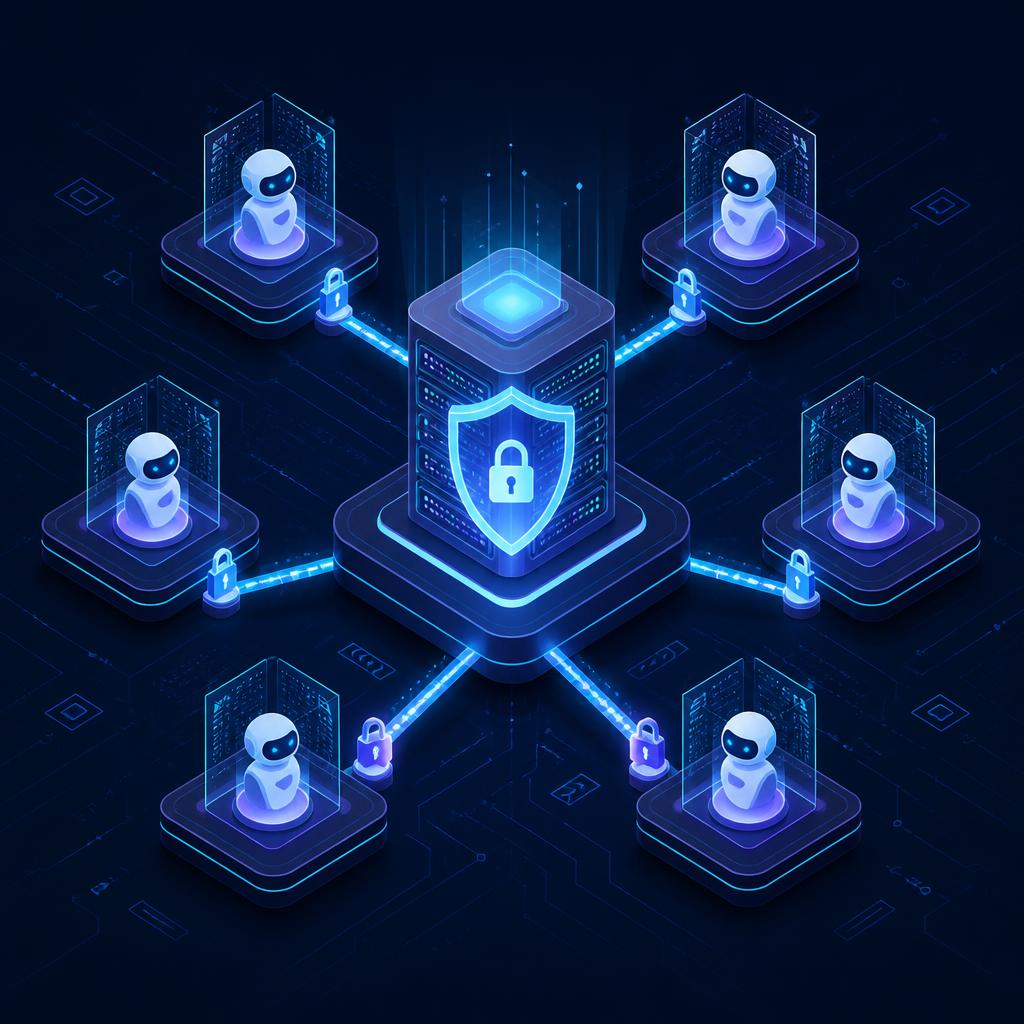
MCP Server Security: The 2026 Guide to Securing Model Context Protocol Servers
A complete guide to MCP server security in 2026 — how the Model Context Protocol works, the top attack surfaces (tool poisoning, prompt injection through tool descriptions, credential leakage, confused deputy), and the controls enterprises need to run MCP safely at scale.
AI Agent Security Best Practices: The 2026 Enterprise Playbook
A practical, framework-aligned guide to AI agent security best practices in 2026 — identity, least-privilege tool access, prompt-injection defense, runtime monitoring, audit logging, kill switches, and continuous compliance evidence for SOC 2, HIPAA, GDPR, NIST AI RMF, ISO/IEC 42001, and the EU AI Act.
Risks of Agentic AI: The Complete 2026 Guide for Enterprise Security and Compliance Leaders
Agentic AI introduces a new class of enterprise risk: autonomous systems that plan, decide, and act across your tools at machine speed. This guide breaks down the top risks of agentic AI in 2026 — prompt injection, runaway agent loops, data exfiltration, unauthorized transactions, identity sprawl, supply-chain compromise, and regulatory exposure — and the concrete controls security, compliance, and platform teams need to mitigate each one.
AI Agent Identity: How to Manage and Secure Non-Human Identities in 2026
AI agent identity is the credential, scope, and behavioral fingerprint that lets an autonomous agent act on behalf of your business — and lets you prove who did what. This guide explains what AI agent identity is, why it is different from human IAM, how to issue and rotate agent credentials, how merchants verify agent identity at checkout, and the controls enterprises need to govern non-human identities in 2026.
Answers for security and platform leaders
The questions we get on every first call. If yours isn't here, join the waitlist and ask in person.
What is WatchTower Agents?
WatchTower Agents is an enterprise AI governance and security platform. It gives security and platform teams real-time visibility into autonomous AI agents, enforces policy against every tool call, and produces the audit evidence required for SOC 2, HIPAA, GDPR, and ISO 27001.
How is this different from a SIEM or an LLM gateway?
SIEMs collect events after the fact and LLM gateways focus on prompt routing and cost. WatchTower sits in the action path: it understands agent intent, evaluates each tool call against your policy, and can block or quarantine in sub-second time — then ships the evidence to your SIEM and GRC.
Which AI agent frameworks does WatchTower support?
WatchTower integrates with the major agent frameworks (LangChain, LangGraph, LlamaIndex, AutoGen, CrewAI) and any custom stack that exposes tool calls via OpenAI, Anthropic, or open-weight providers. SDKs are available for Python, TypeScript, and Go.
How does WatchTower defend against prompt injection?
Every input the model sees carries a provenance label. High-impact tool calls are refused when their justification mixes untrusted context. Combined with capability segmentation and egress policy, this neutralizes both direct and indirect prompt injection.
Can WatchTower help with SOC 2, HIPAA, or GDPR audits?
Yes. WatchTower produces immutable, signed audit trails of every agent action, exports policy-as-code change history, and surfaces human-review evidence for high-risk autonomous decisions — the artifacts auditors expect for CC6, CC7, and equivalent controls.
How long does deployment take?
Most teams are in production within two weeks. A 30-minute walkthrough is enough to scope the integration, and a typical proof of value runs three to five days against a real workload.
Evidence-ready for every regulator your CISO reports to
Continuous control mapping and immutable evidence collection across the frameworks enterprise, government, and regulated industries actually get audited against.
Trust services criteria evidence
Information security controls
PHI handling & audit trails
Data subject rights & DPA
AI risk management mapping
Govern · Identify · Protect
Moderate baseline architecture
Defense contractor controls
WatchTower provides technical controls and continuous evidence — customers achieve certification via their own audit.